
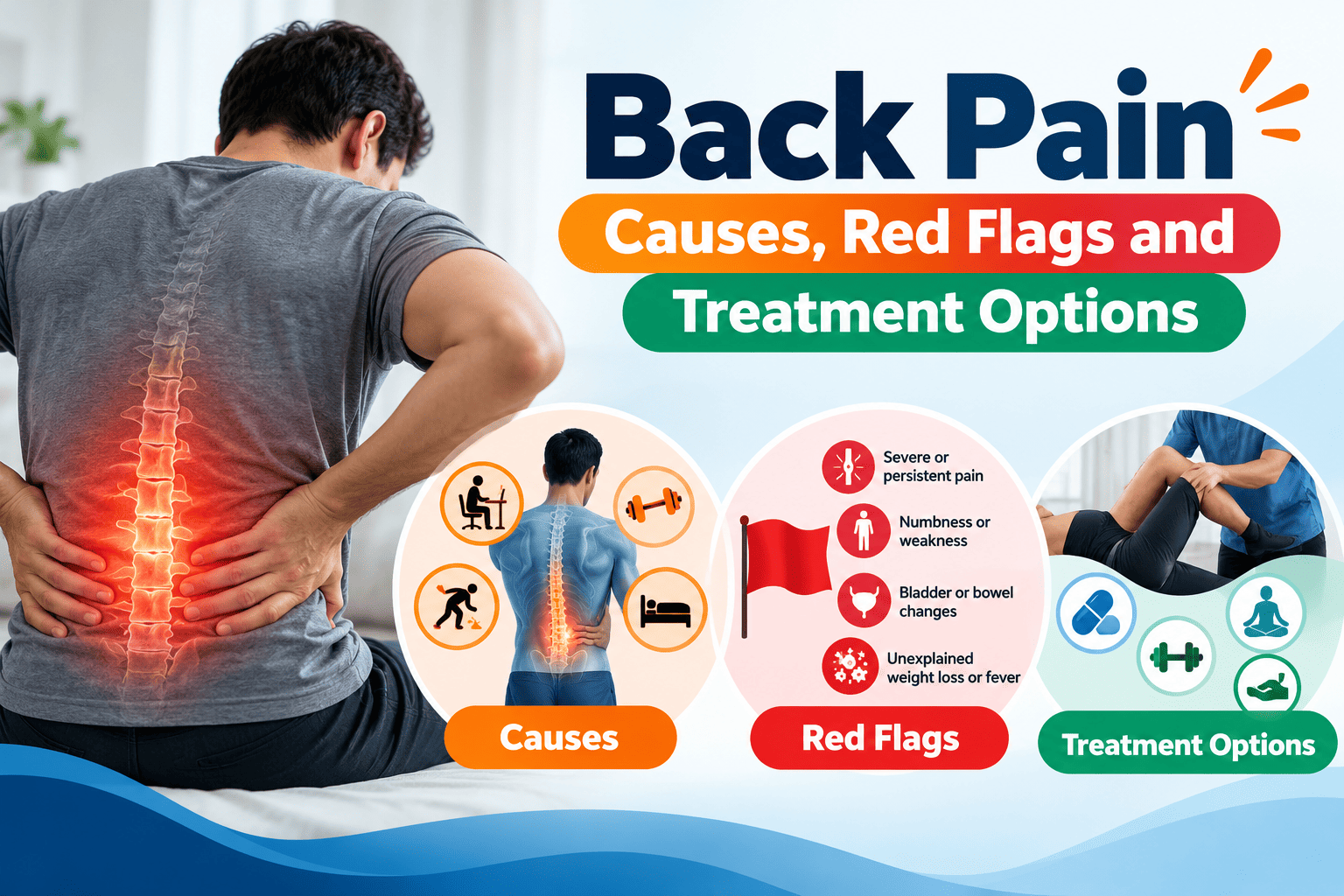
Back pain is a common problem that can affect people of different ages. It may start after lifting something heavy, sitting for long hours, working on a computer, or sleeping in the wrong position. Sometimes, the pain goes away with rest and simple care. But in other cases, it may be a sign of an underlying health problem that needs medical attention.
If back pain is affecting your daily activities, understanding its causes and treatment options can help you take the right steps. People looking for Back Pain Treatment in LB Nagar should know when home care may help and when it is important to consult a doctor.
What Are the Common Causes of Back Pain?
Back pain can develop for many reasons. The location, severity and duration of the pain may differ from person to person.
1. Muscle Strain
Lifting heavy objects, sudden movements, overexercising or spending too much time in an uncomfortable position can strain the muscles and ligaments around the spine. This may cause stiffness, soreness and difficulty moving.
2. Poor Posture
Sitting for long hours, bending over a mobile phone or working without proper back support can put extra pressure on the spine. Over time, poor posture may contribute to back and neck discomfort.
3. Slipped Disc
The discs between the bones of the spine act as cushions. When a disc bulges or its inner material moves out of place, it may press on nearby nerves. This can cause back pain, tingling, numbness or pain that travels down the leg.
4. Age-Related Spine Problems
As people get older, the discs and joints in the spine may undergo natural changes. Conditions such as spinal stenosis and degenerative disc disease can cause pain, stiffness or difficulty walking.
5. Sciatica
Sciatica occurs when the sciatic nerve becomes irritated or compressed. It can cause pain that starts in the lower back and travels through the buttock and down one leg. Some people may also experience numbness or weakness.
6. Other Medical Conditions
In some cases, back pain may be related to arthritis, osteoporosis, fractures, infections or kidney problems. Persistent pain without a clear reason should not be ignored.
Back Pain Red Flags: When Should You See a Doctor?
Most cases of back pain are not emergencies. However, certain symptoms need urgent medical attention because they may indicate a serious condition.
- Loss of bladder or bowel control: New difficulty controlling urination or bowel movements needs emergency assessment.
- Numbness around the groin: Reduced sensation around the inner thighs or genital area can be a serious warning sign.
- Leg weakness: New or worsening weakness in one or both legs needs prompt medical evaluation.
- Fever with back pain: Back pain with fever, chills or feeling very unwell may indicate an infection.
- Pain after an accident: Back pain following a major fall, road accident or serious injury needs urgent assessment.
- Unexplained weight loss: Ongoing back pain with unexplained weight loss or a history of cancer requires medical review.
- Severe or worsening pain: Pain that keeps getting worse, does not improve with rest or regularly wakes you from sleep should be checked.
Important: If you experience new bladder or bowel problems, numbness around the groin or rapidly increasing leg weakness, go to an emergency department immediately. Do not wait for a routine appointment.
Back Pain Treatment Options
The right treatment depends on what is causing the pain, how severe it is and whether the nerves are affected. A doctor may recommend one or more of the following options.
1. Medicines for Pain Relief
A doctor may suggest suitable pain-relief medicines or other medication based on your symptoms and medical history. Avoid taking painkillers regularly without medical advice, especially if you have kidney problems, stomach ulcers or other long-term conditions.
2. Physiotherapy and Exercises
Physiotherapy can help improve flexibility, strengthen supporting muscles and improve movement. A physiotherapist may recommend stretching, strengthening exercises and posture correction based on your condition.
Do not continue an exercise that causes severe pain, new numbness or weakness. Seek medical advice before starting strenuous exercises when the cause of your pain is unknown.
3. Posture Correction and Lifestyle Changes
Small daily changes can help reduce pressure on the back. Try to maintain a comfortable sitting position, keep your screen at eye level and take regular movement breaks. When lifting objects, bend your knees and keep the load close to your body.
Gentle walking and gradually returning to normal activities may help many people recover. Prolonged bed rest is usually not recommended for routine back pain.
4. Specialist Evaluation
If the pain continues, keeps returning or spreads into your arms or legs, a specialist may recommend further evaluation. Depending on your symptoms, you may need Spine Treatment in LB Nagar or Neck Pain Treatment in LB Nagar.
A neurological assessment may also be needed if you have tingling, numbness, weakness or other signs of nerve involvement. A Neurologist in LB Nagar can help evaluate problems affecting the nerves, while a spine or orthopaedic specialist may assess structural problems involving the spine.
5. Advanced Treatment and Surgery
Not everyone with back pain needs surgery. Doctors may consider injections or surgical treatment in selected cases, such as certain disc problems, significant nerve compression or spinal instability. The decision depends on the diagnosis, symptoms and response to other treatments.
Scans such as X-rays or MRI are not required for every case of back pain. A doctor may recommend imaging when the symptoms, examination or medical history suggest it is necessary.
How Can You Reduce the Risk of Back Pain?
Although not all causes can be prevented, healthy daily habits can reduce strain on the back.
- Maintain a comfortable posture while sitting and working.
- Avoid sitting in one position for too long.
- Stay physically active with suitable exercises.
- Use proper lifting techniques.
- Maintain a healthy body weight.
- Choose a comfortable mattress and sleeping position.
- Avoid smoking, which is associated with a higher risk of some spine problems.
- Seek medical advice if pain persists or repeatedly returns.
These habits may support spine health, but they should not replace medical evaluation when warning signs are present.
Where to Get Back Pain Treatment in LB Nagar?
Back pain should not be ignored when it affects your sleep, work, walking or everyday activities. Early medical evaluation can help identify the cause and guide appropriate treatment before the problem becomes more difficult to manage.
For people looking for Back Pain Treatment in LB Nagar, Rushcare Hospital LB Nagar is a local healthcare option to explore for medical evaluation and guidance. The appropriate doctor and treatment will depend on the symptoms and the underlying condition.
Whether you need an assessment for lower back pain, Spine Treatment in LB Nagar, or Neck Pain Treatment in LB Nagar, discuss your symptoms with a qualified medical professional. If your pain is associated with numbness, tingling or muscle weakness, ask whether a neurological assessment is appropriate.
Do not delay emergency care if you experience bladder or bowel control problems, numbness around the groin or rapidly worsening weakness.
Conclusion
Back pain can result from everyday habits, muscle strain, disc problems or more serious medical conditions. Understanding the causes, recognising warning signs and choosing the right treatment can help protect your spine and overall health.
If your pain persists or interferes with daily activities, seek medical advice instead of relying only on home remedies. For those exploring Back Pain Treatment in LB Nagar, Rushcare Hospital LB Nagar can be considered for local medical evaluation and guidance on the next steps.